

This section of the GamesForOne.com web site is dedicated to news regarding amateur astronomical activities in the Knoxville, TN area.
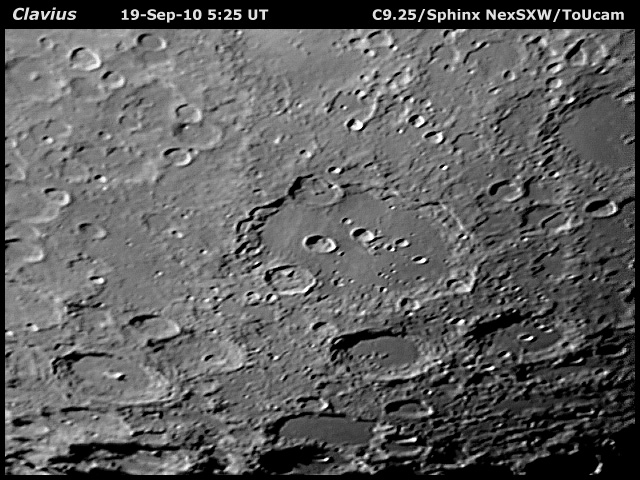
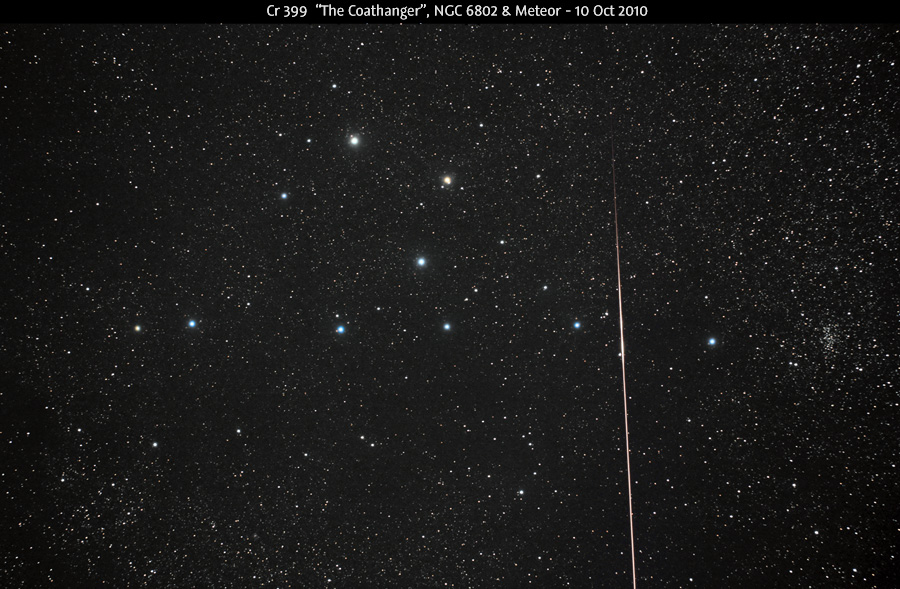
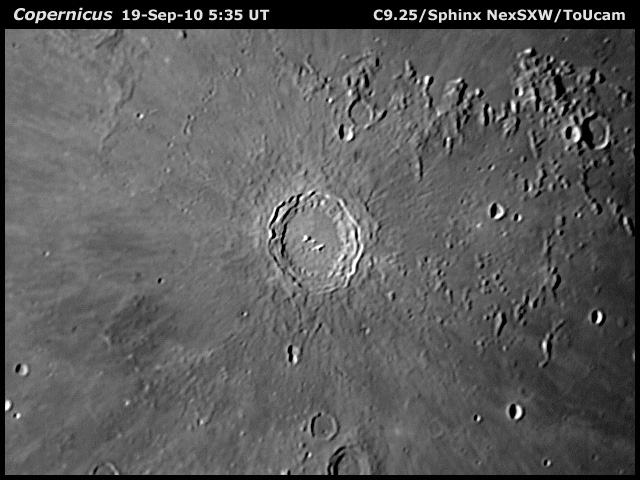
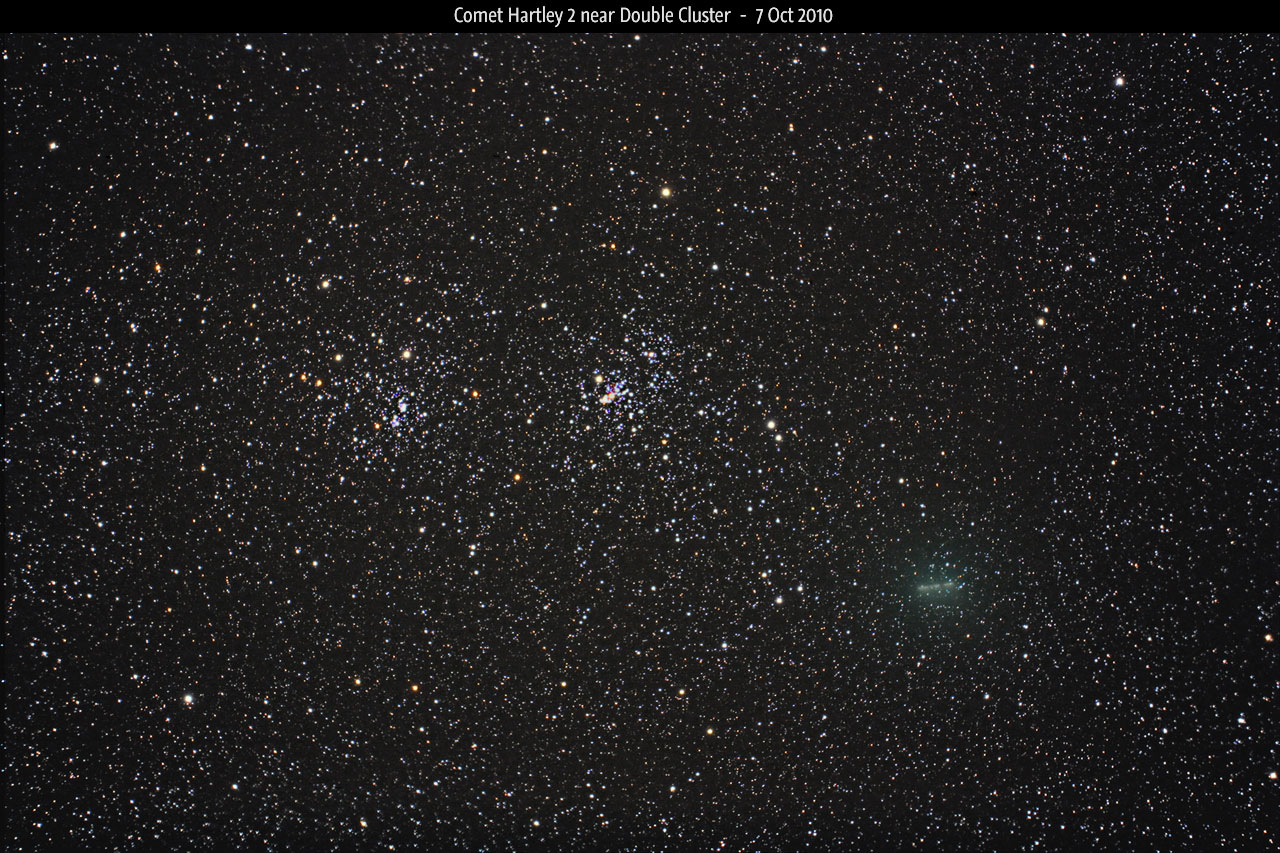
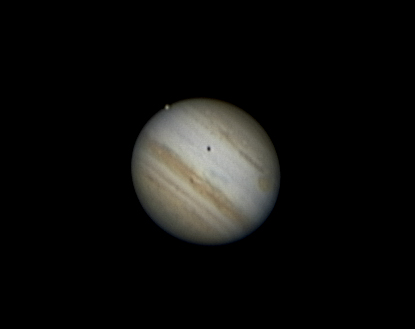
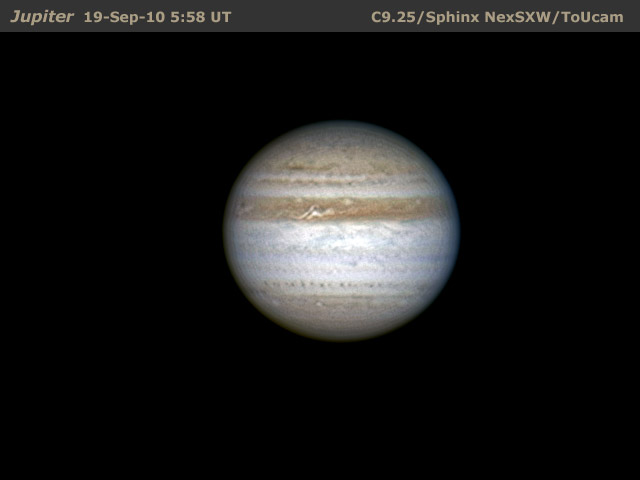
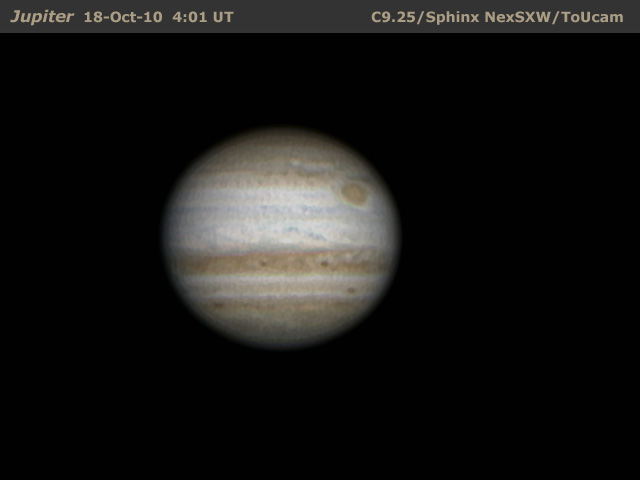
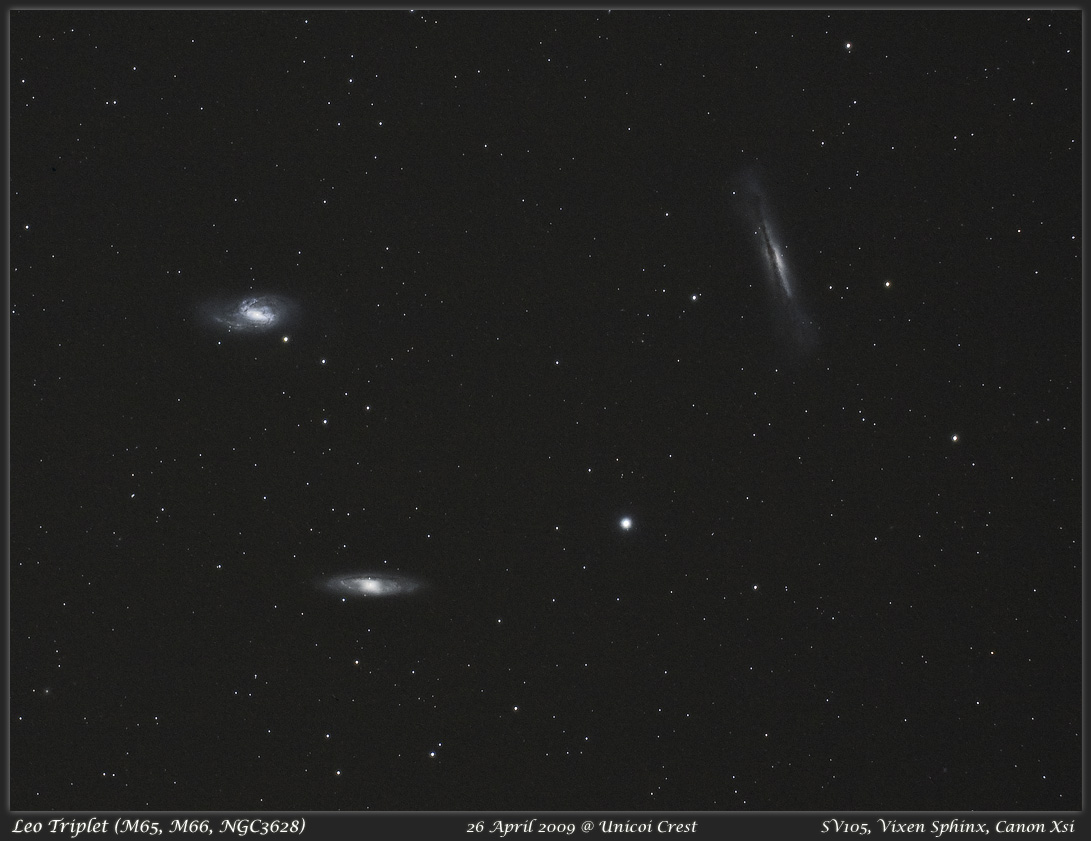
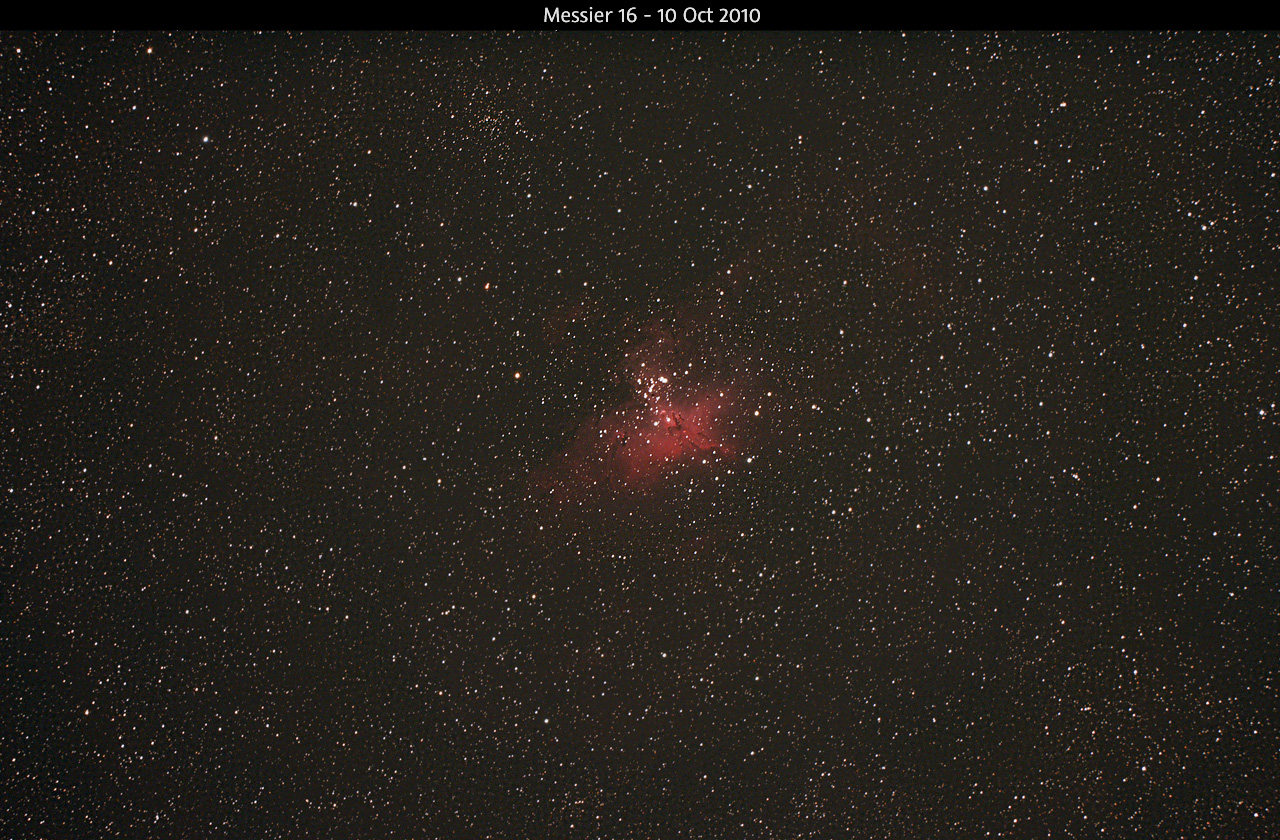
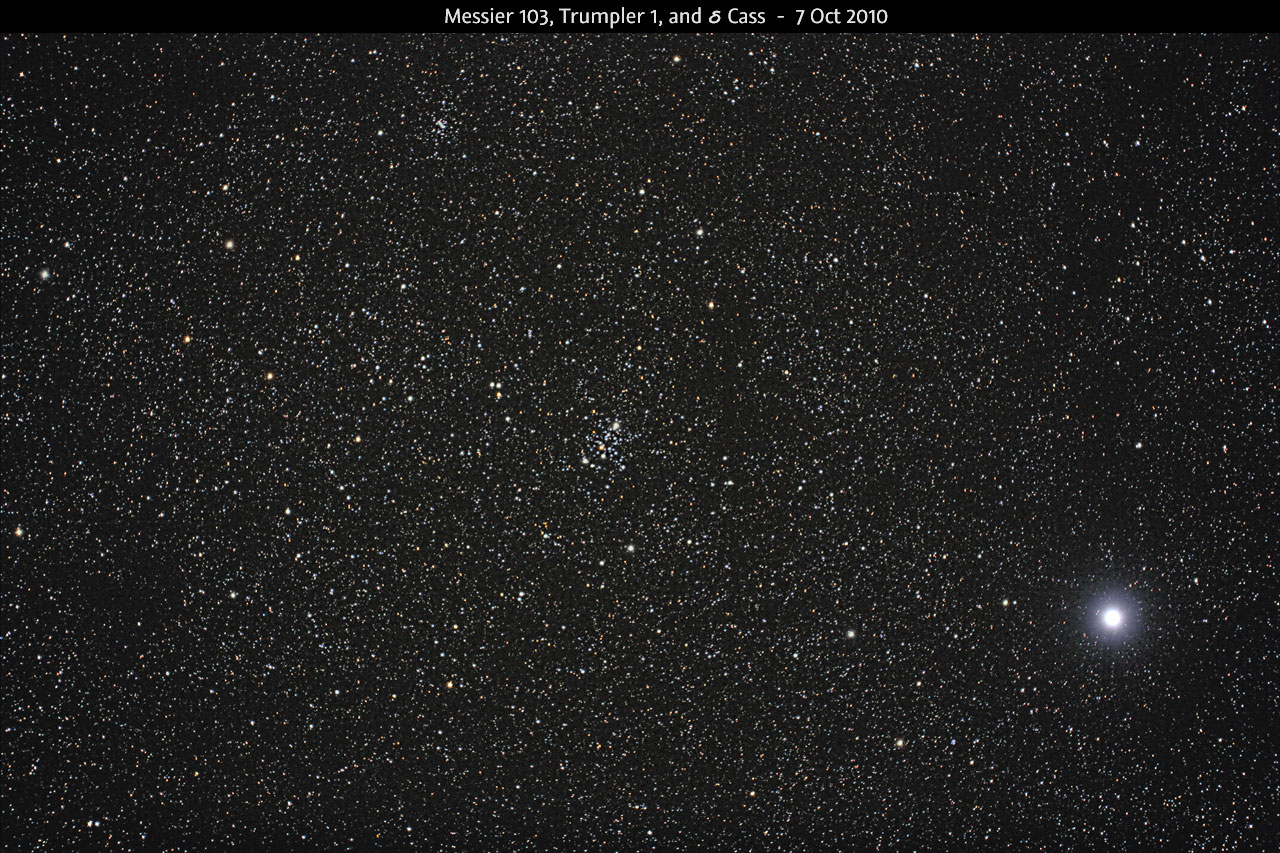
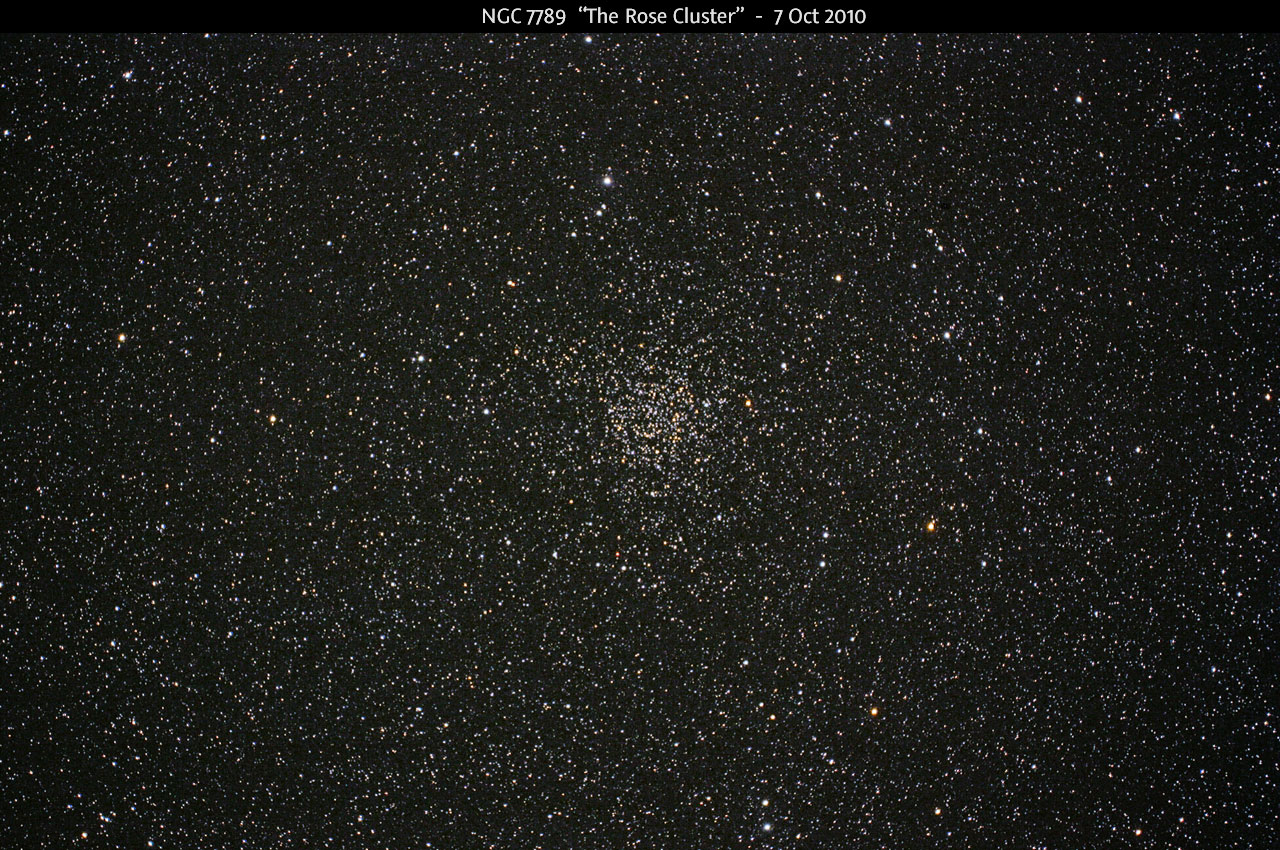
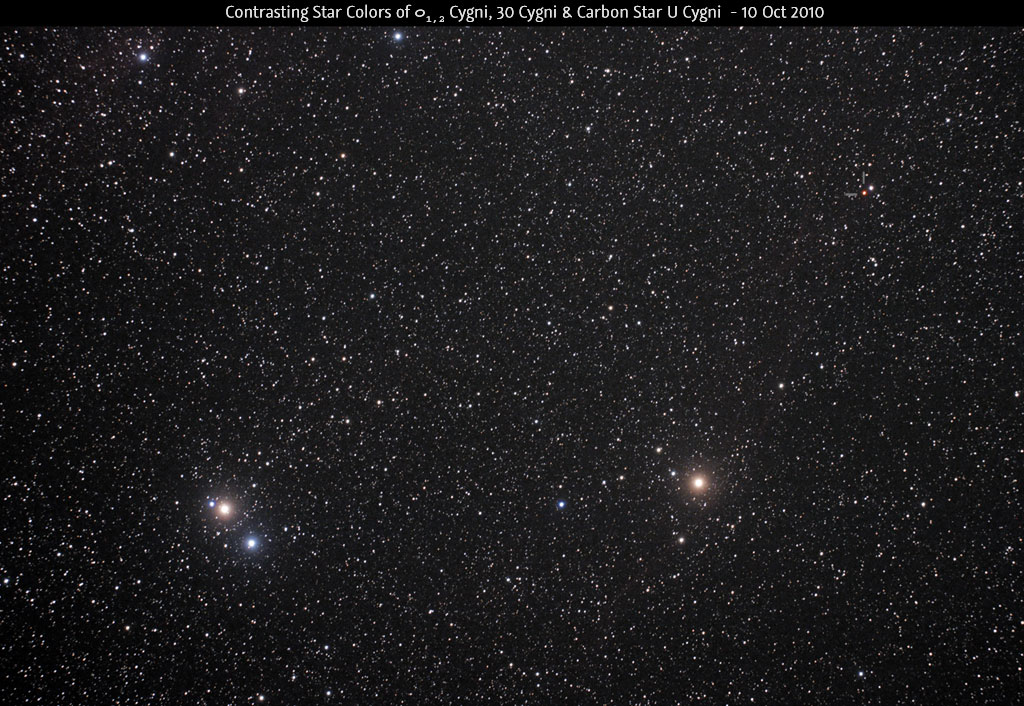
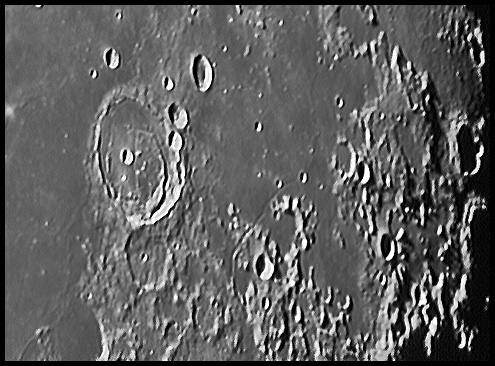
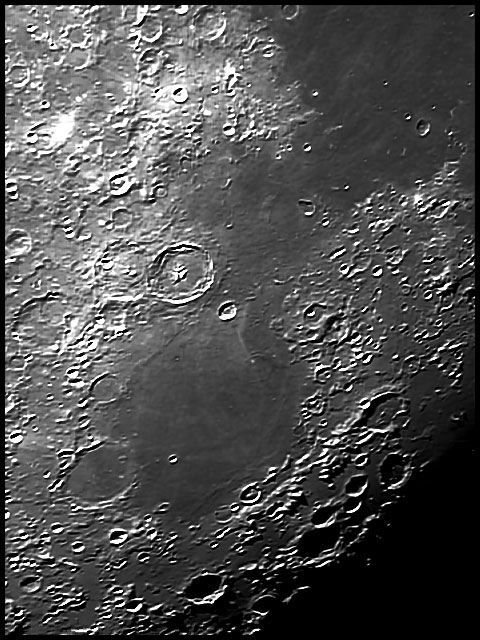
We have a wide range of observing interests and also enjoy taking astrophotos of all astronomical subjects. Some of our latest photos are shown at right. If you are a member of a club affiliated with the Astronomical League, feel free to use our photos for any club-related purpose. (Other uses please ask permission.)
Clear Sky Clocks
Knoxville Clear Sky Clock (click image for complete details):

Sassafras Ridge Clear Sky Clock (click image for complete details):

Miscellaneous Links
| Weather Underground Interactive Satellite View |
Heavens-Above
page for West Knoxville, TN Heavens-Above page for Unicoi Crest |
| View and conditions at Look Rock | Astronomy Picture of the Day |
Observing Lists and Pictures
 Night Sky:
Spring Galaxies from Canes Venatici Night Sky:
Spring Galaxies from Canes Venaticito Virgo Presentation for April 2007 SMAS meeting. Includes object descriptions with photos and diagrams. Also provided is a link to the quick reference list (with ratings) plus star chart handouts (in PDF format) provided at the meeting: Galaxy Quick Reference List w/ ratings Spring Galaxies: Map 1 Chart Spring Galaxies: Map 2 Chart |
|
 Night Sky:
Gemini Night Sky:
GeminiPresentation for March 2004 SMAS meeting. Includes object descriptions with photos and diagrams. [PowerPoint for the Web format ~ 2.5 MB total] Also provided is a link to the star chart handout (in PDF format) provided at the meeting: Night Sky: Gemini Star Chart (27 KB) |
|
 Night Sky:
Perseus Night Sky:
PerseusPresentation for November 2003 SMAS meeting. Includes object descriptions with photos and diagrams. The illustrations link to the original web source as credit. [PowerPoint for the Web format ~ 5.9 MB total] Also provided is a link to the star chart handout (in PDF format) provided at the meeting: Night Sky: Perseus Star Chart (40 KB) |
|
 Night Sky: Cygnus Night Sky: CygnusPresentation for August 2003 SMAS meeting. Includes object lists/descriptions and 3 star charts for Open Clusters, Nebulae, and Double Stars. [PDF format ~ 1.4 MB] |
 Overlay
Image of Cygnus Overlay
Image of CygnusImage of Cygnus with Night Sky: Cygnus objects labeled. Move mouse away from and then over the image to hide/show the overlay. |
|
|
|
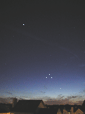 May 5, 2002 Planetary Alignment
 May 15, 2003 Lunar Eclipse
Previous Observing Reports
| SMAS Star Party at Unicoi Crest, Oct 5th 2002 |
| Tennessee Star Party (TNSP), Sept 26-28 2003 |
Latest Report: Venus Transit of 2012
(Click the photos to get a full-sized version)
|
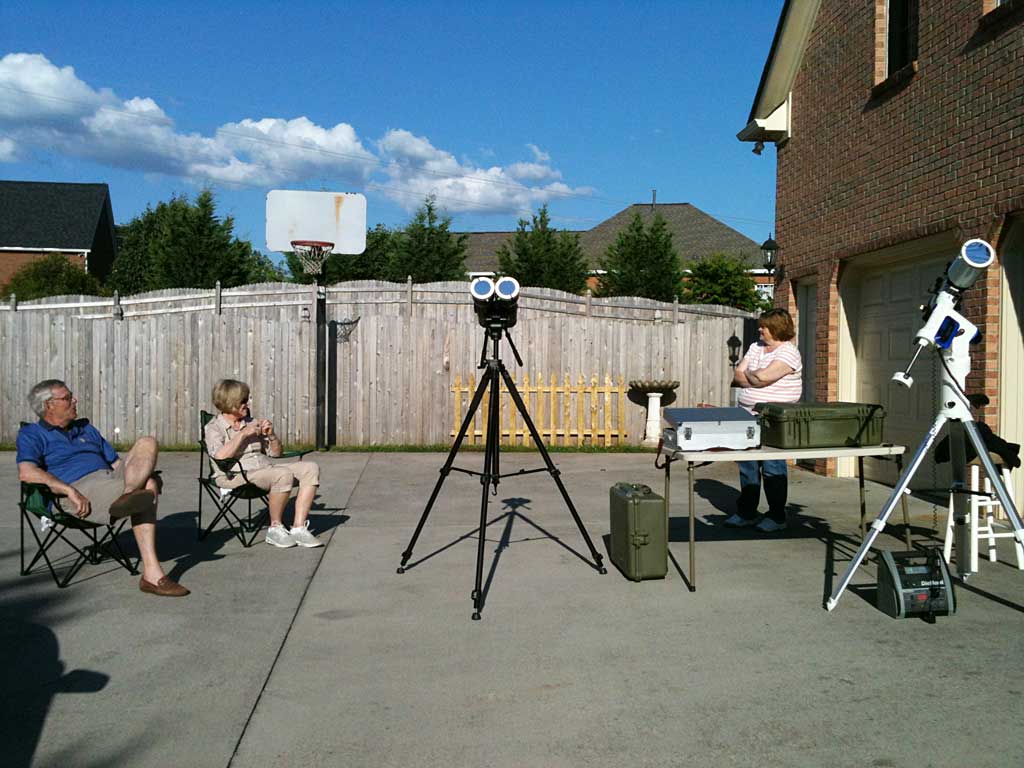
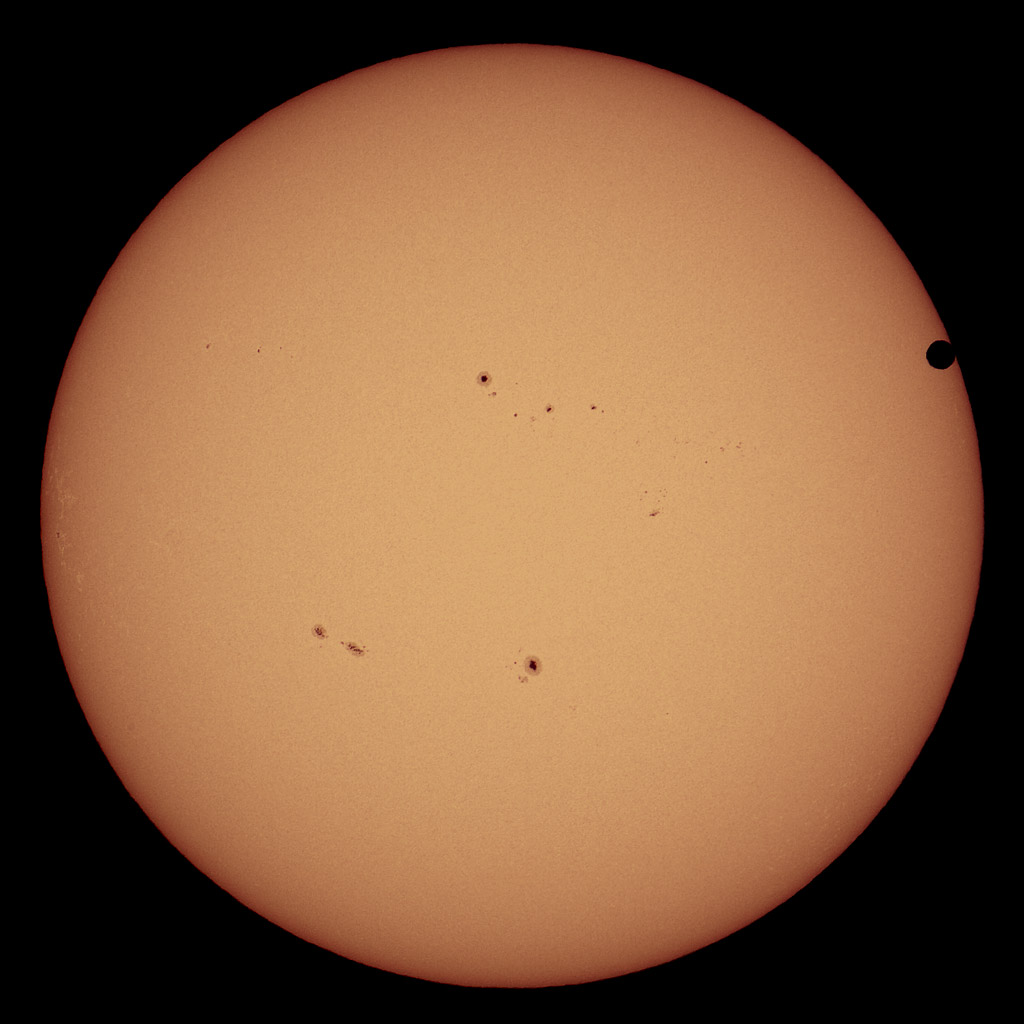
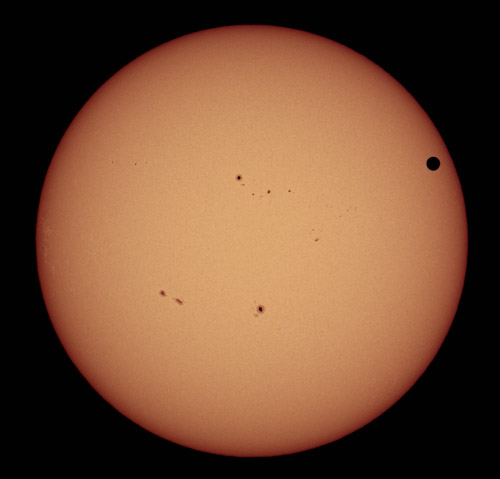
Just as 6:04 arrived, a single cloud decided to cover the Sun. It didn't last long and cleared in a couple of minutes or so. I was able to start taking photos with the refractor just after first contact. I used my astro-modified Canon Xsi DSLR for the photos. The Live View feature proved extremely useful once again as it made fine focusing so much easier. I simply used the 10x zoom on the tiny sunspots and did fine adjustments until they appeared as sharp as possible on the DSLR screen. Getting as close to perfect focus as possible is one of the most important factors in capturing good astrophotos, and is often the most difficult aspect to get right.
We all enjoyed the show until about 7:30 PM when Venus began to slip behind some trees in our subdivision. The next transit doesn't occur until 2117, so this was a once-in-a-lifetime experience. |
|
Click the image below to access a 7 second video in MP4 format (~ 1 MB) that records approximately the first 40 minutes of the transit. If would like to leave a comment, you may do so using a copy I uploaded to YouTube.
|